The Best Herbs to Grow in Ireland
Many people, when they picture medicinal herbs, imagine them growing somewhere warm and dry: a hillside in Provence, rows of lavender under a southern sun, thyme and rosemary in the Mediterranean heat. It is a natural assumption, and it leads most people who consider growing herbs in Ireland to the same worry, namely that our wet and temperate climate must surely be a disadvantage.
In fact, the opposite is often true. Ireland suits a remarkable range of medicinal herbs, and for several of them our cool, moist climate produces a finer plant than the heat of the south ever could.
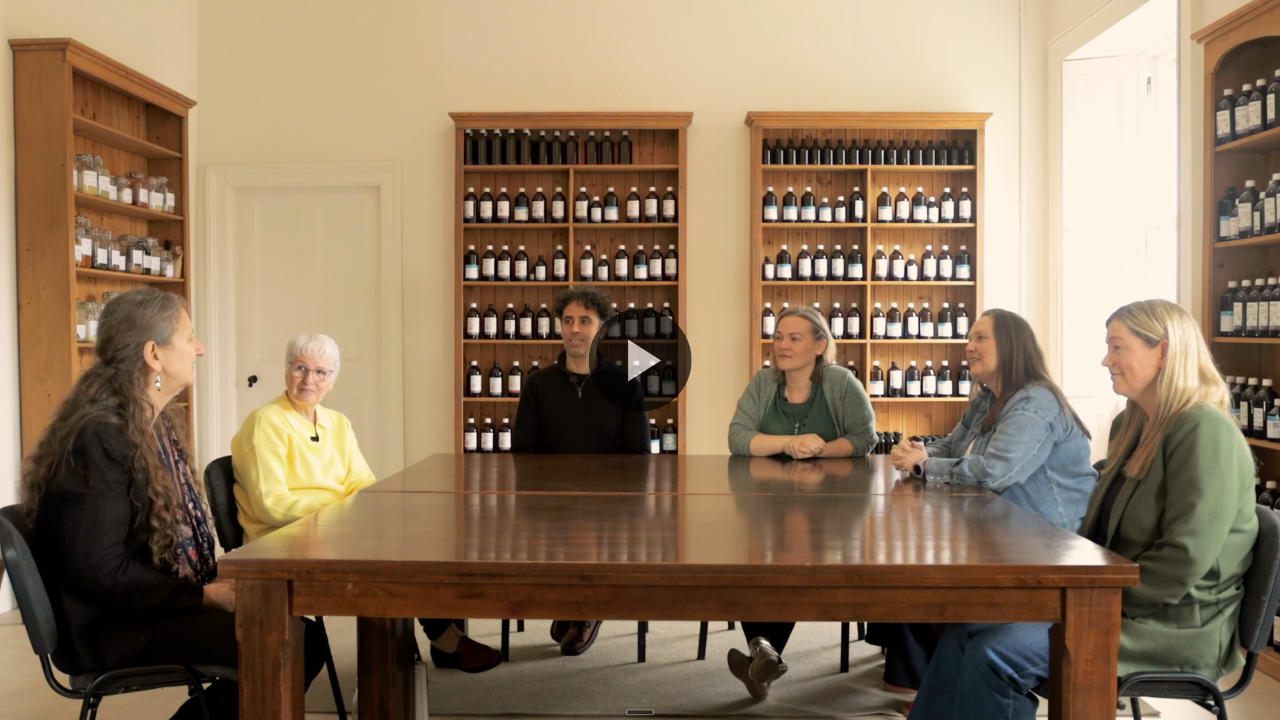
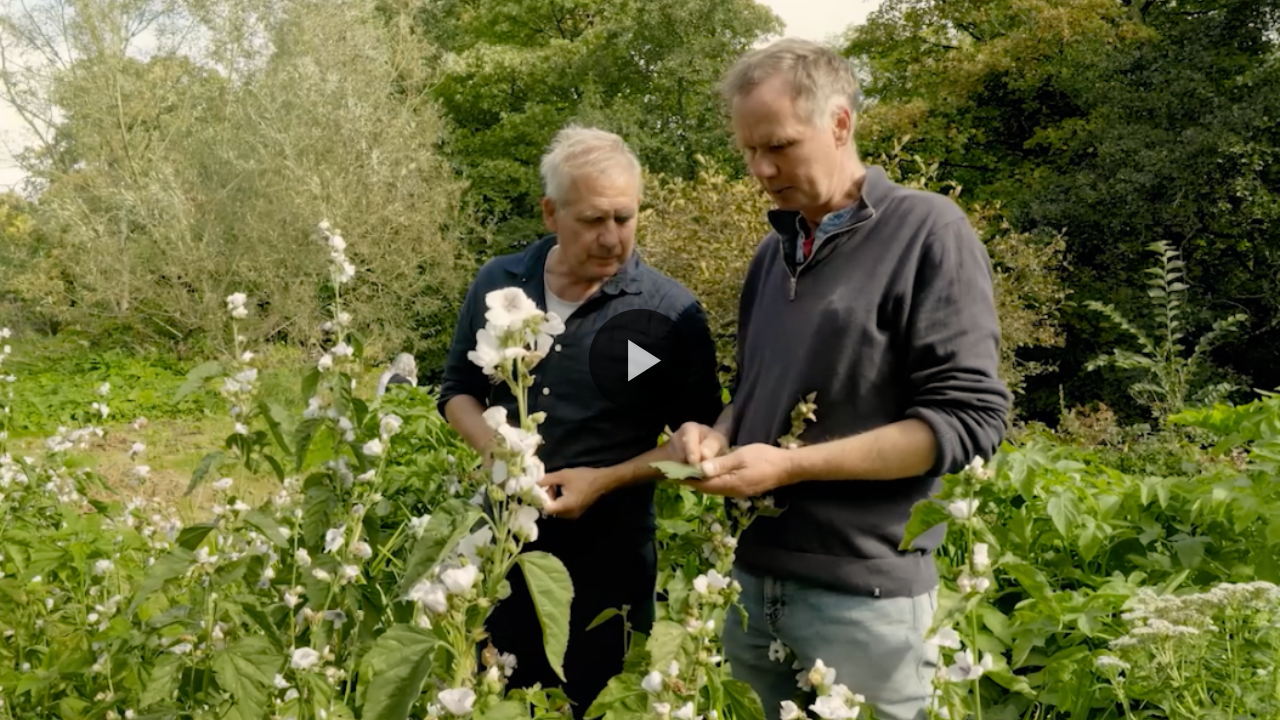
In the conversation above, our head gardener, Heiko Klee and Klaus Laitenberger, who teaches the practical side of our medicinal herb growing course, talk through which herbs flourish in Irish conditions and why. Between them, they hold decades of organic growing experience, and their message is an encouraging one. With the right knowledge and a willingness to work with the climate rather than against it, Ireland is a fine place to grow medicinal herbs.
The herbs that love Irish ground
Some plants ask for precisely the conditions Ireland offers in abundance. Valerian (Valeriana officinalis) is one of them. It is a bog plant by nature, content in wet, rich ground, and it grows the length and breadth of the country. At Core College, it grows down by the river, where the garden floods from time to time. After one severe flood that submerged the garden entirely, Heiko observed that the valerian "certainly doesn't look any worse for it."
Meadowsweet (Filipendula ulmaria) is much the same, happiest on a floodplain in wet, rich soil. The mints flourish there, too. And it is with the mints that the Irish climate turns from merely adequate to genuinely advantageous.
Why our climate suits some herbs better than the Mediterranean
Essential oils, the aromatic and active compounds within many medicinal plants, do not respond well to extreme heat. As Heiko explains it, in southern Europe and North Africa, "the summers are just too hot, and the essential oils don't like that. The content of the oils will reduce in the heat."
Peppermint (Mentha x piperita) offers a good illustration. There is evidence that mint grown in Ireland can carry a higher essential oil content than the same plant raised in a hotter place. Lavender follows the same principle. It can struggle in the fierce heat of the south of France, to the point that English lavender, grown through a cooler English summer, is sometimes the finer of the two.
Even the Mediterranean herbs will grow here
Thyme, Rosemary and Sage are thought of as Mediterranean herbs, and yet they grow perfectly well in Ireland, provided one understands what they want. The key is placement. They will not tolerate wet feet through the winter, so they are best given a drier, sunnier position, and where the ground holds too much water, they can be raised on mounds, so that the water drains freely away from their roots. Attend to that, and they will settle quite happily.
The weeds we now grow on purpose
One of the more striking sights in the gardens at Core College is what grows there by design. Curly Dock in straight rows. Dandelions deliberately sown and tended. Nettles are cultivated with real care. As Klaus puts it, "the stuff that we weeded out before is now grown here as a medicinal herb. Very important medicinal herbs."
This is no romantic gesture. In Heiko's judgement, Nettle and Dandelion are the two finest medicinal herbs to grow commercially in Ireland. They are quick to establish, they are in steady demand, and unlike a herb such as American Black Cohosh, which may take six or seven years to reach maturity, they yield a crop in the very first year. They also dislike heat, which is precisely why the Irish climate suits them so well.
A real commercial opportunity
There is a practical lesson in all of this. Almost every herb used by Irish herbalists today is imported, and the home-grown supply scarcely exists. For anyone prepared to grow well and to dry their crop properly, that gap in the market is a genuine opportunity. Drying does call for some equipment, though it need not be costly at the outset. A simple drying room, or a shipping container fitted with a dehumidifier, is enough to make a beginning.
Learning to do it properly
Growing medicinal herbs well is a craft in its own right, and it is the subject of our year-long Organic Medicinal Herb Growing Course, which runs largely online, with practical elements, and begins each March.
It is designed for a broad range of people. Last year's group ranged in age from their early twenties to their seventies, and included practising herbalists, complete beginners who had never grown a herb in their lives, experienced gardeners, and farmers seeking to move from cereal crops to herb production. As Klaus says, "Once you have an interest in herbs or a passion towards growing herbs, then this course is definitely for you."
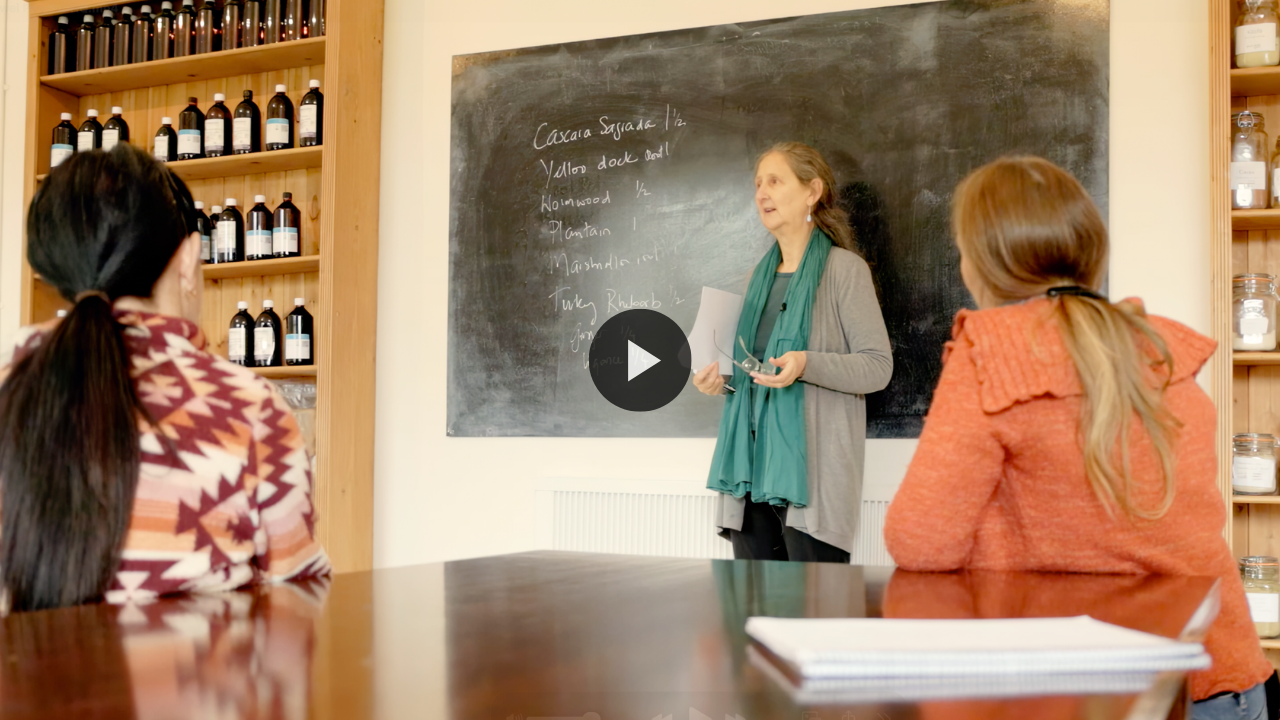
The teaching team gathers specialists from across the field: agronomists, a botanist, a pioneer of veganic growing, a specialist in the business of herb production, and our own master herbalist, Helen Begadon, who teaches how each herb is actually used in practice.
If you have ever wondered whether medicinal herbs might be grown in Ireland, the answer is a clear yes. The climate, far from working against you, is very often on your side. What remains is to learn how to work with it.
Learn more about the Diploma in Organic Medicinal Herb Growing →
This video is for educational purposes only and does not constitute medical advice; always consult a qualified healthcare professional before making changes to your health routine, especially if you are taking medication.
Related Herbal Stories