Garlic, Grandmothers and Manuscripts
Garlic is one of our most familiar herbs. It appears in herbal medical manuscripts from every era and from every corner of the world. It is perhaps one of the most widely used herbs across all historical herbal medical traditions. Its applications are also relatively similar across cultures.
More recently, its compounds have been studied in laboratories, yet much of the knowledge surrounding garlic has travelled by a simpler route: one individual guiding another in the myriad ways in which it can be used and applied.
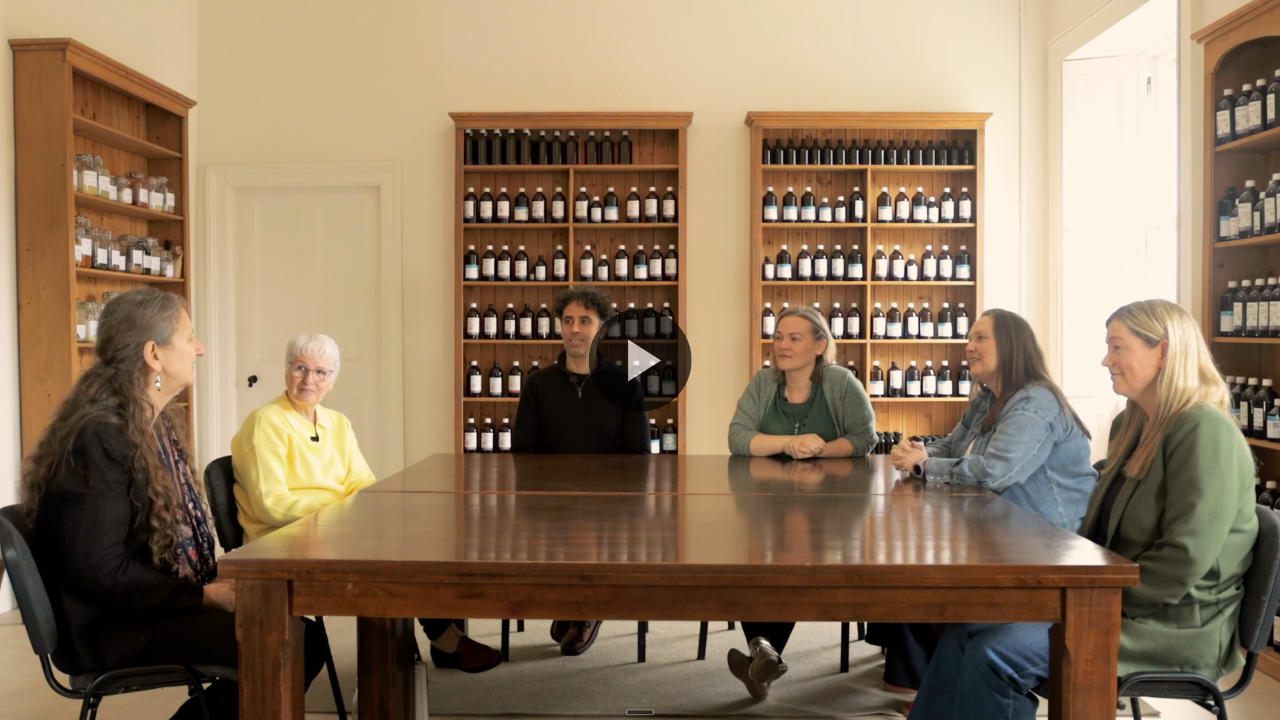
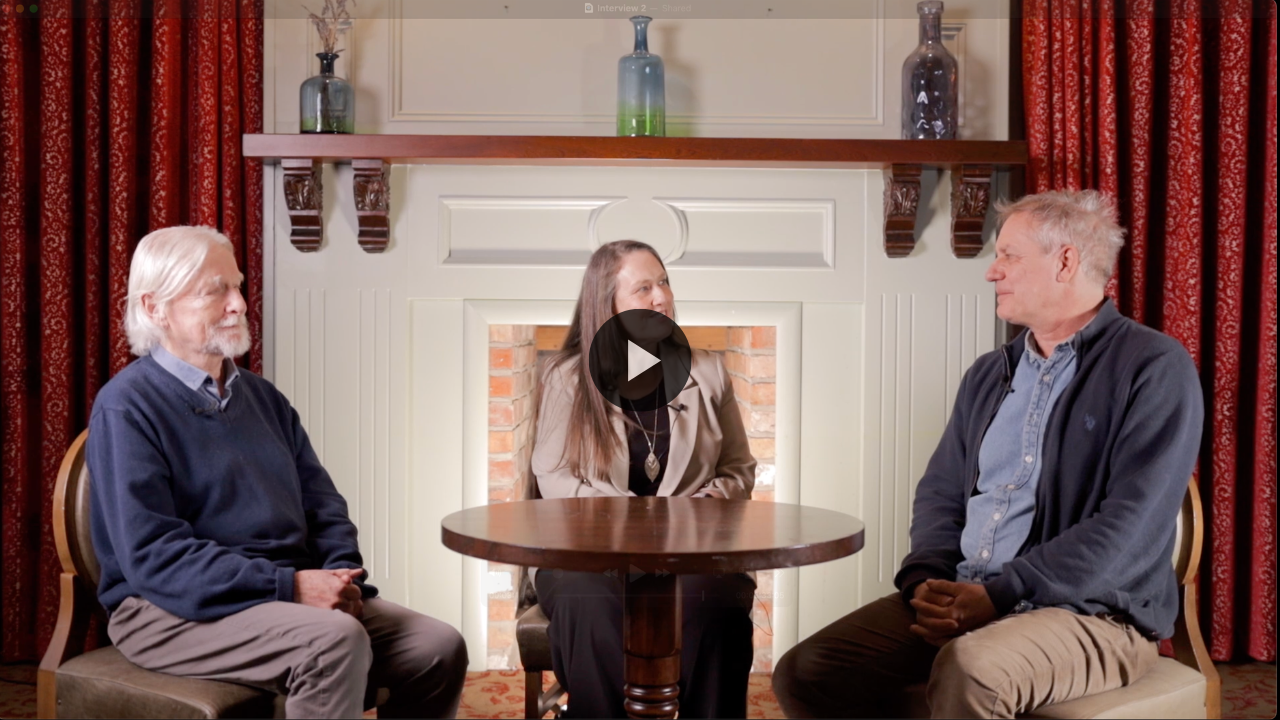
That became one of the most interesting threads in a recent conversation between five herbalists at Core College. The discussion began with raw garlic, oils and poultices, but soon moved towards grandmothers, childhood remedies and medieval Irish medicine.
Garlic to treat infection
John Raymond Christopher and Edward E. Shook, two important twentieth-century herbalists and teachers, both place garlic among the alteratives, a traditional category for herbs understood to act gradually upon the body’s general condition rather than upon only one symptom. In Elementary Course in Herbology, Shook also treats garlic as a plant high in containing sulphur.
IIn the 1633 edition of The Herball, Thomas Johnson’s greatly expanded revision of John Gerard’s original 1597 book, garlic is described as intensely hot and dry “in the fourth degree,” the highest level of intensity in that traditional system. This classification draws on Galen, a second-century Greek physician whose influential system assessed foods and medicines according to their hot, cold, wet and dry qualities. This view of garlic as an extremely warming herb helps explain its traditional use to support circulation.¹
Herbalists use it in powdered and tinctured form and recommend that patients take crushed garlic internally, as part of their diet, if appropriate. Applications also include treating patients who suffer from some forms of digestive disturbance and possibly upper respiratory infections. It can also be used internally to alter or cleanse the blood and in this way promote healing of external wounds and ulcers.
Laboratory research provides a chemical basis for this traditional use. Allicin has demonstrated activity against various bacteria and fungi.
It is interesting to note that garlic used medicinally as part of the diet or possibly in making an oil for internal or external application uses the crushed clove. There is a reason for this. An intact clove keeps alliin and the enzyme alliinase physically separated. Crushing brings them together, producing allicin. Allicin is reactive and unstable. Raw, cooked, pickled and aged garlic therefore have different chemical profiles. The way garlic is prepared is part of its medicine, not an incidental detail.²
Garlic and the circulatory system
Herbalists recommend the regular use of crushed garlic as part of the dietary advice they give to patients who wish to improve their circulatory system. It is often used alongside Cayenne Pepper, but this will be dealt with in another Herbal Story!
John R. Christopher described garlic’s circulatory action directly:
“Garlic’s medicinal value is largely in its being a highly volatile essential oil, so precautionary care should be taken in its preparation. Anciently it was used in both healing and nutrition, as it was known to possess a great resource for physical strength and energy. It is a valuable nervine tonic, and is especially useful in lowering hypertension. It is an equalizer of blood circulation.”
— John R. Christopher³
John R. Christopher’s garlic newsletter also quotes Yoshio Kato’s Garlic, The Unknown Miracle Worker:
“It is also known that garlic essence warms the body and promotes better circulation of the blood.”
— Yoshio Kato⁴
William H. Cook was a nineteenth-century American physician and professor of botany, therapeutics, and materia medica at the Physio-Medical Institute. His 1869 Physio-Medical Dispensatory was an extensive guide to the plant medicines used within the Physiomedical tradition. Describing garlic, Cook writes:
“They are very stimulating, moderately relaxing, and very diffusible. They excite the mucous secretions, facilitating digestion in sluggish stomachs; improving chronic catarrh, and promoting expectoration. Considerable quantities, or a long-continued application outwardly, will excite the circulation–leading to hot skin, flushed face and headache.”
— William Cook⁵
In this paragraph, “Diffusible” means that garlic’s stimulating action was understood to spread readily through the system. Cook regarded its effect upon circulation as noticeable and potentially excessive, informing us more about its action.
Jethro Kloss was an American herbalist and natural health writer, best known for his influential 1939 book Back to Eden. Kloss gives garlic a strongly cardiovascular interpretation:
“Recent studies have shown that garlic prevents or slows down the formation of plaques in the blood vessels. It does this by lowering the total amount of cholesterol in the blood as well as the amount of injurious low-density lipoproteins, while at the same time increasing the amount of protective high-density lipoproteins.”
— Jethro Kloss⁶
The School of Natural Healing’s garlic material reproduces a Middle English version of a passage attributed to Dioscorides:
“It doth cleare the arteries and being eaten either raw or sod, it doth assuage old coughes.”
— Dioscorides⁷
In the Śūraṅgama Sūtra tradition, garlic is one of the “five pungent plants,” avoided because it is believed to stimulate desire and anger and interfere with purity of practice.⁸
This offers a striking contrast: the same stimulating quality that Western herbalists valued for warming the body and encouraging circulation was viewed in this Buddhist tradition as capable of agitating the mind and emotions.
In the vitalist physiomedical tradition, a nineteenth-century American system of herbal medicine that sought to support the body’s own healing processes, this stimulating and warming property is rather interpreted as potentially therapeutic through its stimulation of the circulatory system and all of the body's elimination processes.
Sometimes science catches up with extensive traditional use claims. The National Centre for Complementary and Integrative Health (NCCIH) reports that garlic supplements may reduce total and LDL cholesterol. Evidence also suggests an effect on raised blood pressure.⁹
Practical ways to use garlic
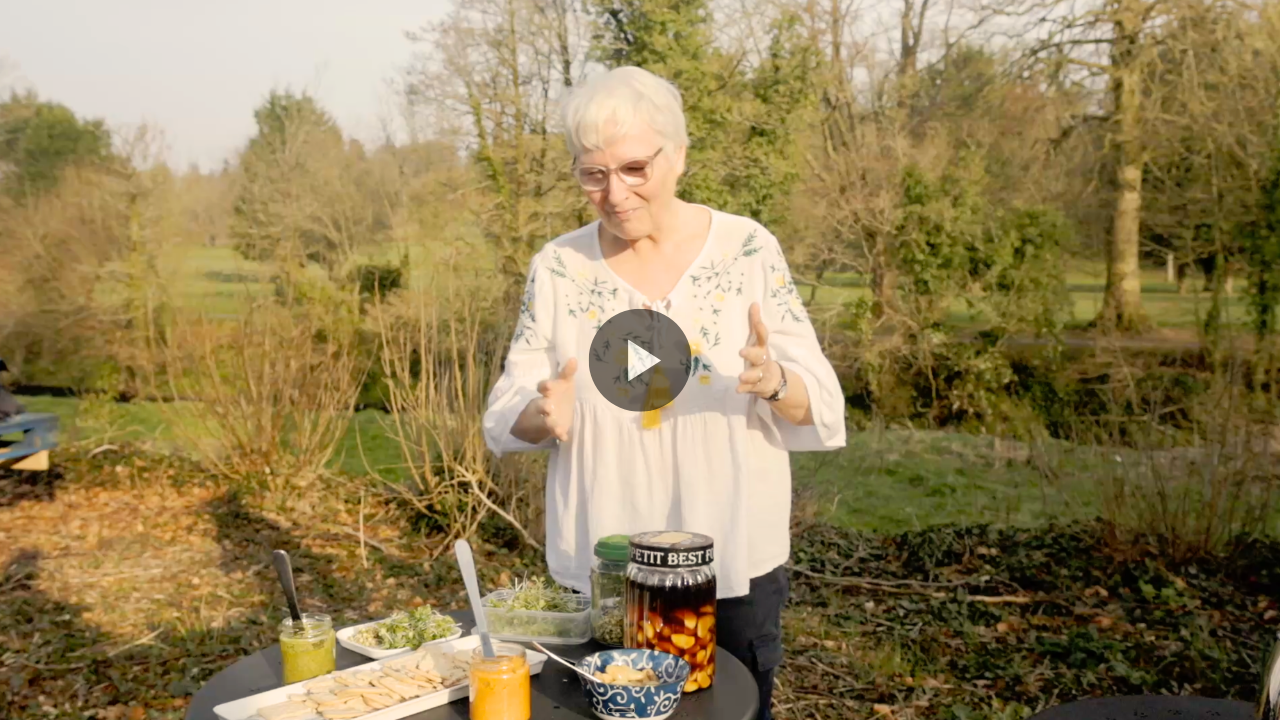
Beyond adding garlic to the diet simply in a crushed form, sprinkled over food, garlic can be made as a French dressing mixed in a good quality cold-pressed virgin olive oil with either apple cider vinegar or fresh lemon juice in equal proportions. The apple cider vinegar will last longer in the fridge, although garlic, having antimicrobial properties, will ensure that even a lemon-based French dressing will last quite a few days. Fresh garlic can also be crushed into dips, pesto and sauces shortly before serving. It can also be pickled or stirred into food after cooking.
This is perhaps the best way to use garlic because the freshly crushed medicinal actions are best used as described above.
Garlic has traditionally been used externally, but always in a base of olive oil. It can be added to olive oil and left for a few days, shaking regularly, and then strained. The resulting oil can be used to treat ear infections in adults and children. A few drops can be added to ears, but caution should be used, and this should never be applied when there is a suspicion of a ruptured eardrum. For persistent or serious symptoms, consult a qualified healthcare professional.
Shook’s garlic lesson contains a vinegar preparation intended to preserve the fresh herb without boiling it:
“Peel 1 lb. garlic cloves; run them through a mincer and put into a large jar. Mix equal parts pure vinegar and distilled water (sufficient to cover the minced garlic). Shake well and let stand for 4 hours. Strain and add an equal part of hot syrup of brown sugar. Stir and shake together. Seal and keep in a cool place. NOTE: Do not boil garlic.”
— Edward E. Shook¹⁰
Herbalists believe that garlic has powerful detoxification properties, so begin with small amounts, and you will find that your tolerance for larger amounts increases over time. Its stimulating and heating quality is part of this power, and therefore it is very important to increase the amount of water consumed daily in order to facilitate the process of detoxification.
Cautions
Fresh crushed garlic must never be applied directly to the skin. It can cause irritation and blistering.
For external use, garlic must be properly diluted in a suitable carrier such as olive oil. And if the diluted preparation causes any irritation at all, it should be removed immediately.
Herbalists never prescribe garlic for patients who are taking any kind of blood-thinning medication, and even dietary amounts should be kept limited for such patients. Garlic is an alterative herb, and alterative herbs cleanse the blood. In the process of doing so, the blood can become thinner. Where a patient is already using blood-thinning medication like anticoagulants or aspirin, this can carry a risk of bleeding.
Can living herbal knowledge help us read the past?
Much domestic medical knowledge never entered a manuscript: it was demonstrated. Children watched adults prepare food and respond to illness. Knowledge travelled between generations, often through women whose names never appeared in formal medical texts. These memories may be surviving fragments of an oral medical culture.
Tadhg Ó Cuinn’s Irish Materia Medica, written in 1415, organised medicinal substances according to their qualities, actions and uses. Its surviving copies indicate that it was widely used and connected Irish medicine with the European traditions of Salerno and Montpellier.¹¹
Ó Cuinn’s work belongs to a wider body of more than a hundred Irish-language medical manuscripts produced between the fourteenth and seventeenth centuries.¹²
Yet translating a manuscript is not simply a matter of replacing an Irish word with a modern English one. Plant names and terminology change, and sometimes a plant’s identity becomes uncertain.
One herbalist recalled being shown a passage whose plant/herb might have been onion or garlic. She could not settle the linguistic question, but its described application indicated that it was most likely garlic.
The linguist understands the language. The manuscript scholar understands the text. The botanist brings taxonomy. The practising herbalist recognises patterns of preparation, taste, action and application. Each discipline notices something the others might miss.
Sources
Gerard, John, and Thomas Johnson. The Herbal, or General History of Plants. 1633 folio, Book I, Chapter 97, “Of Garlic”. Ex-Classics Project electronic edition, 2018.
Borlinghaus, Jan, et al. “Allicin, the Odor of Freshly Crushed Garlic: A Review of Recent Progress in Understanding Allicin’s Effects on Cells.” Molecules. 2021;26(6):1505.
Christopher, John R. School of Natural Healing. Christopher Publications electronic edition, “Garlic”, pp. 98–104.
Christopher, John R. “Garlic: Man’s Best Friend in a Toxic World.” Dr. Christopher’s Newsletter, Volume Two, Issue Nine. Includes the quoted passage from Yoshio Kato’s Garlic, The Unknown Miracle Worker (1973), pp. 173–175.
Cook, William. The Physio-Medical Dispensatory. Cincinnati, 1869, “Allium Sativum”, p. 53. Medical Herbalism/medherb.com copyright-free electronic edition.
Kloss, Jethro. Back to Eden. Revised and expanded second edition, Kloss Family Heirloom Edition, Back to Eden Books, Section V.10, “Garlic”.
School of Natural Healing. 100 Herb Syllabus. “Garlic”, unpaginated. Includes the reproduced Middle English passage attributed to Dioscorides.
City of Ten Thousand Buddhas. The Śūraṅgama Sūtra with Commentary, Volume 6, Chapter 3, commentary on the five pungent plants.
National Center for Complementary and Integrative Health. “Garlic: Usefulness and Safety.” Last updated February 2025.
Shook, Edward E. Elementary Course in Herbology. Lesson 4, pp. 25–29.
Ó Cuinn, Tadhg. An Irish Materia Medica. Written in 1415; edited and translated by Micheál P. S. Ó Conchubhair. Corpus of Electronic Texts, University College Cork.
Hayden, Deborah. “Medieval Irish Medical Verse in the Nineteenth Century: Some Evidence from Material Culture.” Irish Historical Studies. 2021; 45(168):159 to 177.
Written by Helen Begadon, Master Herbalist and Director of Core College.
This video is for educational purposes only and does not constitute medical advice; always consult a qualified healthcare professional before making changes to your health routine, especially if you are taking medication.
Related Herbal Stories